







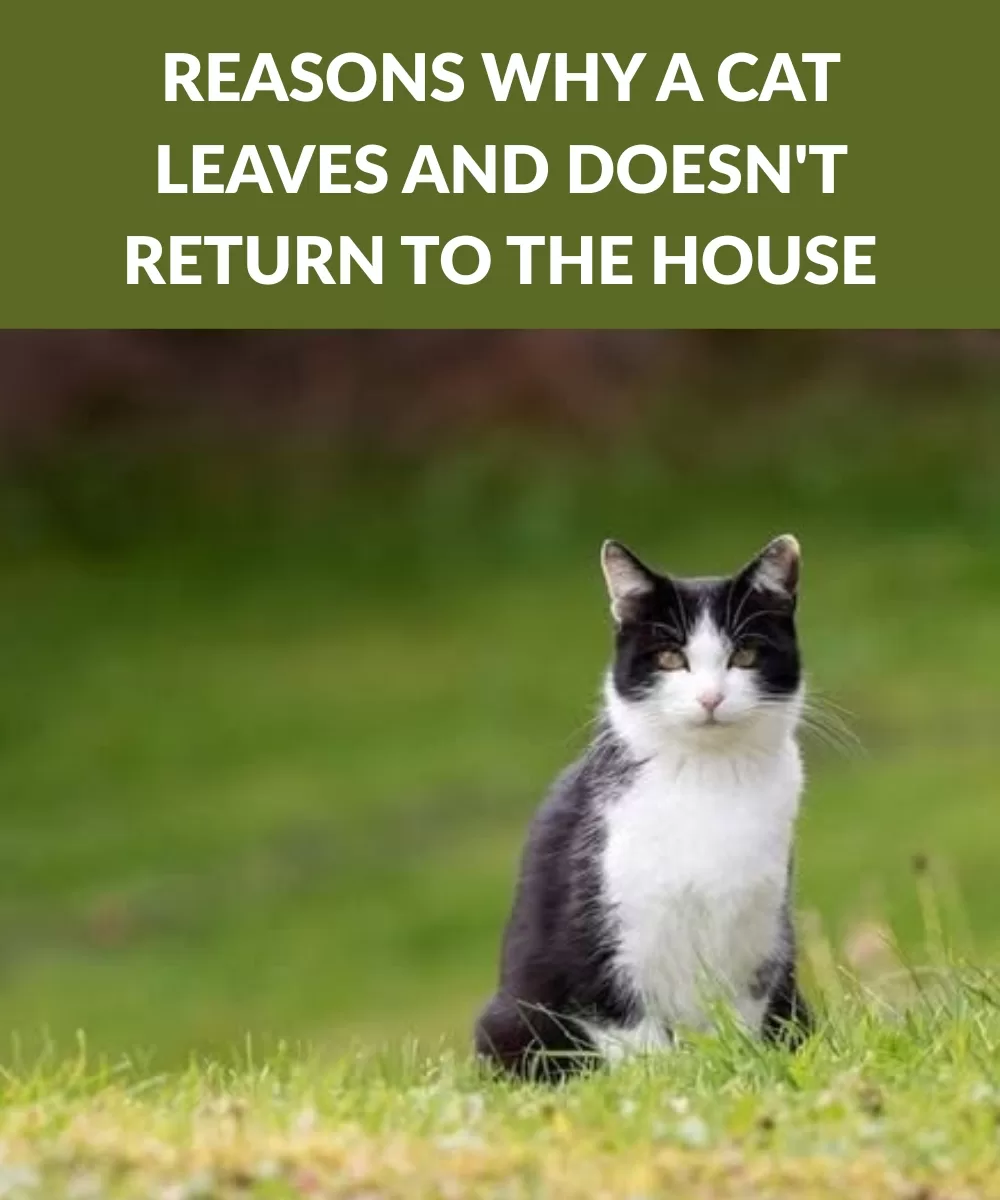

Understanding the Reasons Behind a Heartbreaking Behavior
Cats are intelligent, curious, and deeply independent animals. That independence is part of what makes them fascinating, but it can also be what breaks an owner’s heart when a cat leaves home and never returns. While it can feel sudden or impossible to explain, this behavior is rarely random.
In most cases, there are clear instinctive, environmental, or emotional reasons behind it. Understanding these reasons can help both with prevention and with coping if it happens.
1. Natural Curiosity and the Need to Explore
Cats are natural explorers. Even cats that are well-fed, loved, and comfortable indoors may feel a powerful pull to investigate new territory. Sounds, smells, or unfamiliar animals can lure them farther than they intended to go.
Once a cat travels beyond its familiar range, it may struggle to navigate back, especially if obstacles like busy roads or fences get in the way.
What helps:
Microchipping and visible ID tags significantly increase the chances of reunion if a cat becomes lost.
2. Searching for a Mate
Unneutered cats are far more likely to wander. During mating periods, the drive to reproduce can override caution, sending cats roaming for days or weeks.
Male cats, in particular, may travel great distances following scent trails, often ending up far from home.
What helps:
Spaying or neutering greatly reduces roaming behavior and also lowers the risk of injuries, fights, and certain health issues.
3. Territorial Conflict or Fear
Cats are territorial by nature. If another dominant cat, aggressive dog, or threatening animal moves into the area, your cat may feel unsafe and choose to leave rather than fight.
This is especially common in outdoor or indoor-outdoor cats who feel their territory has been invaded.
What helps:
Creating a calm, secure indoor environment gives your cat a safe retreat and reduces the need to escape perceived threats.
4. Disorientation and Accidental Loss
Although cats have strong homing instincts, they are not infallible. Loud noises, storms, construction, or being chased can cause panic and disorientation.
Once frightened, a cat may run in the wrong direction and hide rather than return home, especially if injured or exhausted.
What helps:
Collar tags, microchips, and keeping recent photos on hand can make a big difference if someone finds your cat.
5. Injury, Illness, or Trapping
Some cats leave home but are unable to return. They may become injured, fall ill, or accidentally get trapped in garages, sheds, or basements.
Cats are also known to hide when they are sick or hurt, which can prevent them from seeking help.
What helps:
If a cat goes missing, thoroughly check nearby enclosed spaces and speak directly with neighbors. Leaving familiar bedding or food outside can also help guide them back.
6. Stressful Changes at Home
Cats are highly sensitive to changes in their environment. A new baby, another pet, loud renovations, or even rearranged furniture can cause stress.
If a cat feels overwhelmed or displaced, it may leave in search of a quieter, more predictable space.
What helps:
Introduce changes gradually and make sure your cat always has access to a quiet, familiar area where it feels secure.
7. Finding Comfort Somewhere Else
Sometimes, a cat does not truly disappear. It simply relocates. If a neighbor feeds your cat or offers shelter, the cat may begin spending more time there, eventually staying permanently.
This often happens without malicious intent. The cat follows comfort and routine.
What helps:
Communicate with neighbors and ensure your cat is well-fed, enriched, and emotionally satisfied at home.
How to Reduce the Risk of Losing a Cat
While no solution is foolproof, these steps can significantly lower the risk:
- Keep cats indoors or supervise outdoor time
- Maintain consistent feeding and daily routines
- Provide mental stimulation through play and interaction
- Microchip and use visible identification
- Address stress and behavioral changes early
A Difficult Reality, With Understanding
When a cat leaves and does not return, the pain can be profound. It is important to remember that this behavior is rarely a reflection of neglect or lack of love. Cats act on instinct, survival, and stress, not on emotional abandonment.
Understanding why it happens cannot erase the loss, but it can bring clarity, compassion, and prevention. By creating a stable, secure environment and meeting both physical and emotional needs, you greatly improve the chances that your cat will always find its way home.