




In Defense of a Military Dog at Texas Roadhouse
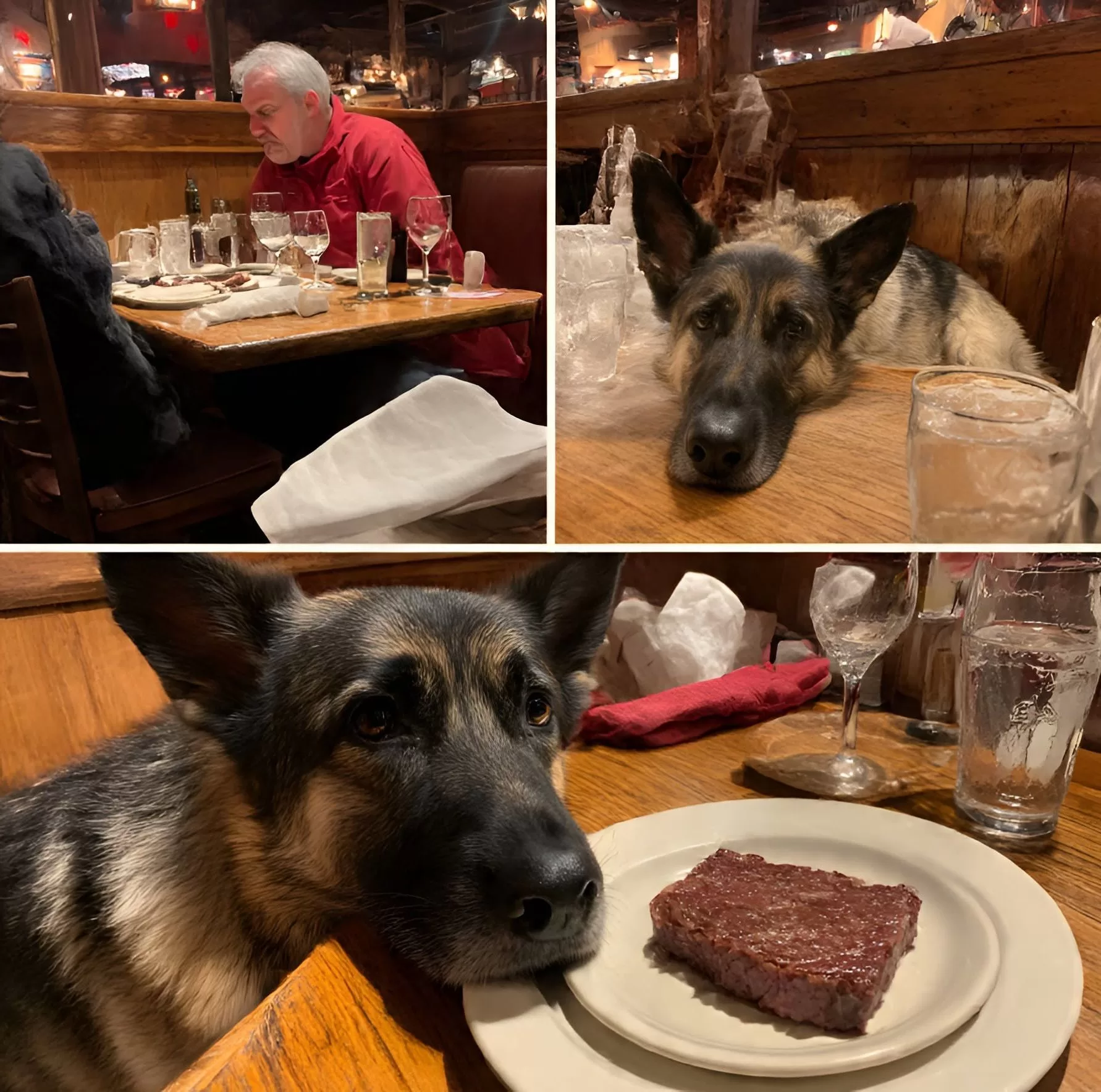
The internet can be quick to complain, even when the moment is meant to honor service and sacrifice. Recently, Texas Roadhouse faced backlash for allowing a military working dog, deployed twice, to eat a steak inside the restaurant on Veterans Day. The criticism sparked a strong reaction, but it also revealed something important about priorities, respect, and perspective.
Personally, I would much rather share a dining space with that dog than spend hours next to unruly, loud, and poorly supervised children. Anyone who has been in a busy restaurant knows exactly what that looks like. A trained military dog is calm, disciplined, clean, and focused. There is no chaos, no running between tables, and no disruption to other guests.
Discipline Versus Disorder
Military working dogs are not pets in the traditional sense. They are highly trained service animals that operate under strict discipline. These dogs are accustomed to high-stress environments, complex commands, and maintaining composure in situations most humans would struggle to handle.
In contrast, many restaurant disturbances come not from animals, but from people. Loud behavior, lack of boundaries, and disregard for others create far more discomfort than a trained dog quietly lying near a table.
It is not about disliking children. It is about recognizing the difference between discipline and disorder.
Respecting Service on Veterans Day
Veterans Day exists to honor service, sacrifice, and commitment. That respect extends not only to human veterans, but also to the animals that served alongside them. Military working dogs risk their lives, endure combat zones, and perform duties that save human lives.
Allowing a deployed military dog a moment of recognition and comfort is not disrespectful. It is symbolic. It acknowledges that service comes in many forms and that gratitude should be extended accordingly.
Cleanliness and Behavior Reality Check
One of the most common complaints raised was about cleanliness. The reality is simple. A trained military dog is groomed, controlled, and far less disruptive than many human guests. There is no running, no shouting, no climbing on furniture, and no ignoring of rules.
The argument that the dog should not be allowed indoors quickly falls apart when compared to everyday restaurant behavior that is widely tolerated without complaint.
Support From the Rescue Community
Pet matchmaker Rescue South publicly supported Texas Roadhouse, veterans, and all military working dogs. Their stance reflects a broader understanding within the rescue and service animal community: these dogs are not ordinary companions. They are partners in service, deserving of respect and dignity.
Support like this reinforces the idea that honoring service animals is not a problem. The real issue lies in misplaced outrage.
A Question of Values
At its core, this situation raises a simple question. What do we value more: rigid rules applied without context, or recognizing meaningful service when it matters?
Choosing compassion, gratitude, and perspective costs nothing. Complaining about a quiet, disciplined military dog being honored on Veterans Day says far more about the complainer than the situation itself.
If given the choice, many people would gladly sit next to that dog. Not because it is an animal, but because it represents service, respect, and restraint. All qualities that could use a little more appreciation, both inside and outside restaurants.