







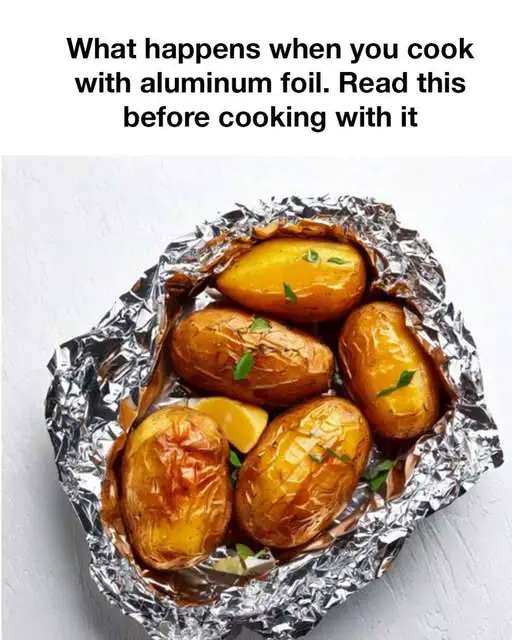

Aluminum foil is a ubiquitous presence in kitchens worldwide, celebrated for its versatility and convenience. From baking and grilling to wrapping leftovers, its applications seem endless. However, it’s essential to understand how this common kitchen staple interacts with our food and the potential health implications of its use. This comprehensive guide delves into the science behind cooking with aluminum foil, shedding light on safety concerns and best practices.
The Role of Aluminum Foil in Cooking
Aluminum foil is crafted from thin sheets of aluminum, a metal renowned for its malleability and excellent heat conductivity. These properties make it an invaluable tool in various culinary techniques:
- Heat Conduction: Its ability to conduct heat efficiently ensures even cooking, making it ideal for baking and grilling.
- Moisture Retention: When used to cover dishes, aluminum foil helps retain moisture, preventing foods from drying out during cooking.
- Protection: It acts as a barrier against light, oxygen, and contaminants, preserving the freshness of stored food.
Health Implications of Using Aluminum Foil
While aluminum foil offers numerous culinary benefits, concerns have been raised about its safety, particularly regarding the leaching of aluminum into food during cooking. Excessive aluminum intake has been tentatively linked to health issues, including neurodegenerative diseases like Alzheimer’s. However, the scientific community has not reached a consensus on this matter.
Scientific Insights into Aluminum Leaching
Research indicates that certain conditions can increase the likelihood of aluminum leaching into food:
- High Temperatures: Cooking at elevated temperatures can cause more aluminum to migrate into food.
- Acidic and Spicy Foods: Ingredients such as tomatoes, citrus fruits, and spices can react with aluminum, enhancing leaching.
A study published in the International Journal of Electrochemical Science found that cooking meats in aluminum foil could increase aluminum content by up to 378%. Despite these findings, the World Health Organization (WHO) suggests that the provisional tolerable weekly intake of aluminum is 2 mg per kilogram of body weight, and typical dietary exposure is generally below this threshold.
Best Practices for Cooking with Aluminum Foil
To minimize potential health risks while enjoying the benefits of aluminum foil, consider the following guidelines:
- Limit High-Temperature Use: Avoid using aluminum foil for cooking methods that require high heat, such as broiling or grilling.
- Be Cautious with Acidic Foods: Refrain from wrapping acidic or spicy foods directly in aluminum foil. Instead, use alternatives like parchment paper as a protective layer between the food and the foil.
- Opt for Alternatives When Possible: Utilize cookware made from materials like glass or stainless steel, especially for long-duration cooking.
- Proper Storage: When storing leftovers, allow foods to cool before covering them with aluminum foil to reduce condensation, which can promote leaching.
Exploring Alternatives to Aluminum Foil
For those seeking to reduce aluminum exposure, several alternatives can serve similar functions in the kitchen:
- Parchment Paper: Ideal for baking and steaming, parchment paper provides a non-stick surface and eliminates the risk of aluminum leaching.
- Silicone Baking Mats: Reusable and heat-resistant, silicone mats are excellent for baking and roasting.
- Glass or Ceramic Containers: Perfect for cooking and storing food, these materials do not react with acidic ingredients.
Conclusion
While aluminum foil remains a convenient tool in culinary practices, being mindful of its potential health implications is crucial. By understanding the conditions that promote aluminum leaching and adopting safer cooking practices, you can continue to enjoy the benefits of aluminum foil while minimizing potential risks. As with any aspect of nutrition and health, moderation and informed choices are key.