






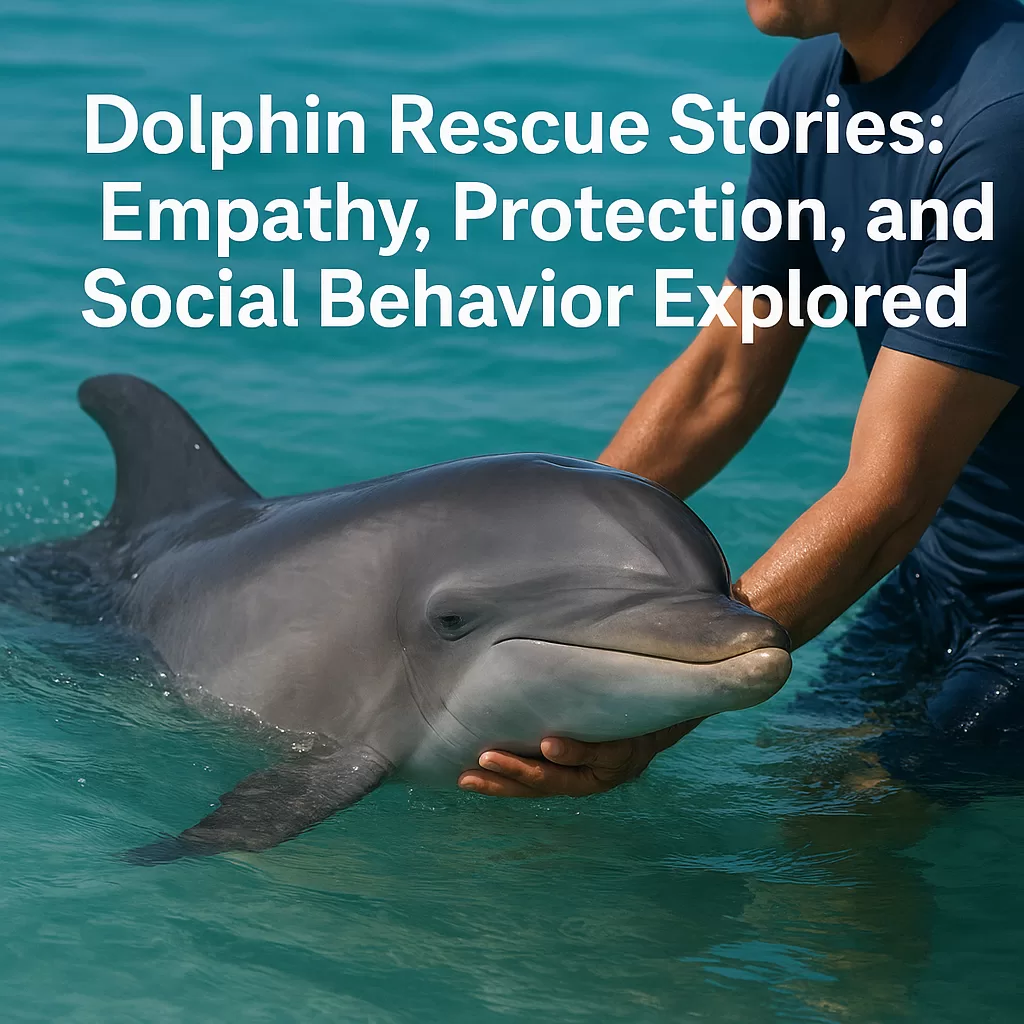

Dolphins have long fascinated humans with their intelligence, playfulness, and remarkable social behaviors. Beyond their joyful acrobatics and friendly interactions, these marine mammals exhibit profoundly emotional and altruistic actions—rescuing injured members of their pod and even protecting humans from danger. Recent scientific discoveries have begun to unravel the depth of their empathy and complex social structures, shedding light on why dolphins continue to captivate our hearts and minds.
The Emotional World of Dolphins

Unlike many animals, dolphins live in tightly knit social groups called pods. These pods often consist of family members and strong social bonds that can last a lifetime. Within these groups, dolphins display emotional behaviors strikingly similar to humans, such as grieving the loss of a pod member or expressing joy and affection.
Their social complexity is one of the reasons dolphins are capable of highly emotional reactions—especially when one of their own is injured. For example, dolphins have been observed supporting sick or injured companions by lifting them to the surface to breathe, an act that requires awareness, effort, and cooperation.
Scientific Insights Into Dolphin Empathy
Empathy—the ability to understand and share the feelings of another—was once thought to be uniquely human. However, dolphins have challenged this notion. Scientific studies reveal that dolphins can recognize distress in others and respond with care and assistance.
Research involving dolphin interactions has documented multiple instances where dolphins acted to protect or help injured animals, including those from different species. Their brain structure, which includes a highly developed neocortex and limbic system, supports sophisticated cognitive and emotional processing.
One notable scientific finding demonstrated that dolphins produce unique whistles, akin to names, allowing them to communicate and identify each other individually. This individual recognition is a foundation for empathy, as it enables dolphins to respond specifically to the needs of particular individuals.
Real-Life Ocean Encounters: Dolphins Protecting Humans
Stories of dolphins coming to the aid of humans in peril are both inspiring and moving. Numerous documented encounters reveal dolphins protecting swimmers, surfers, and boaters from lurking dangers like sharks or rough waters.
Famous Dolphin Rescue Accounts
- Shark defense: In several cases, dolphins have formed protective circles around humans threatened by sharks, using their strong bodies to fend off attacks.
- Rescuing stranded swimmers: There are heartwarming reports of dolphins guiding lost or stranded swimmers back to shore, often staying with them until they are safe.
- Alerting humans to danger: Some dolphins have been observed making loud noises or rushing toward humans and their boats to warn them of approaching hazards.
These extraordinary behaviors illustrate dolphins’ remarkable ability to connect empathetically not just within their species but also with humans—acting almost as guardians of the ocean.
The Social Fabric of Dolphin Pods
Dolphins’ complex social behavior extends beyond immediate rescue efforts. They engage in sophisticated cooperative hunting, care for each other’s young, and forge alliances that can influence social standing within the pod.
Their social intelligence is deepened by:
- Cooperative behavior: Dolphins work together to herd fish or chase prey, demonstrating teamwork.
- Mourning rituals: When a pod member dies, others have been seen lingering around the body, displaying signs of mourning.
- Play and communication: Intricate games and a rich repertoire of vocalizations strengthen social bonds.
Such behaviors emphasize how empathy is embedded in the very fabric of dolphin society.
Why Dolphins’ Empathy Matters
Understanding dolphin empathy not only invites us to appreciate these creatures more deeply but also challenges us to rethink our relationship with the natural world. Recognizing dolphins as sentient beings capable of emotion and altruism raises important ethical questions regarding their conservation and treatment.
Protecting dolphin habitats and respecting their intelligence and emotions promotes a healthier, more compassionate approach to ocean stewardship.
Conclusion
Dolphins are far more than just playful marine animals; they are compassionate, intelligent beings with an emotional depth that continues to astonish scientists and nature lovers alike. Their acts of rescuing injured pod members and protecting humans highlight a profound capacity for empathy and social connection.
As we continue to explore the mysteries of dolphin behavior and cognition, these stories inspire us to foster a greater respect for all life beneath the waves—a reminder that empathy and kindness transcend species and may indeed be a universal language of the heart.