



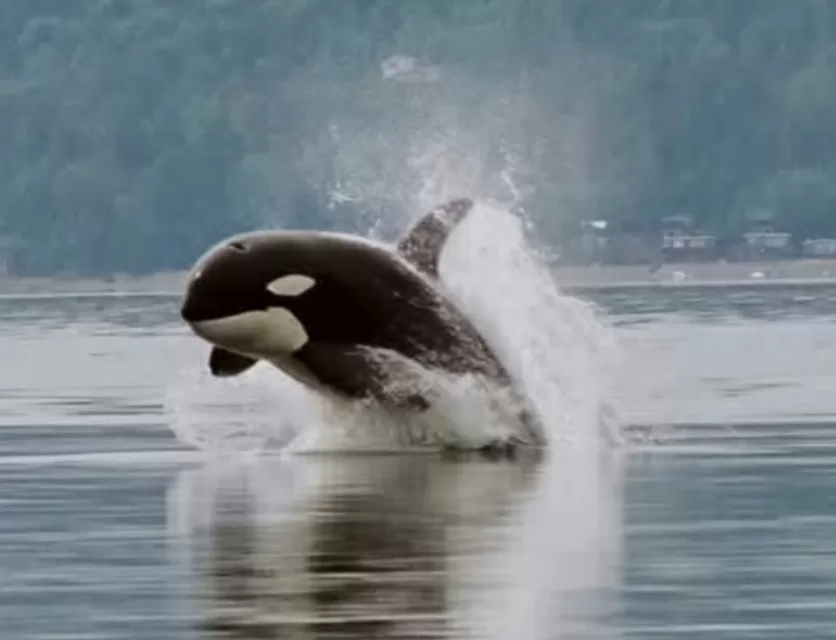

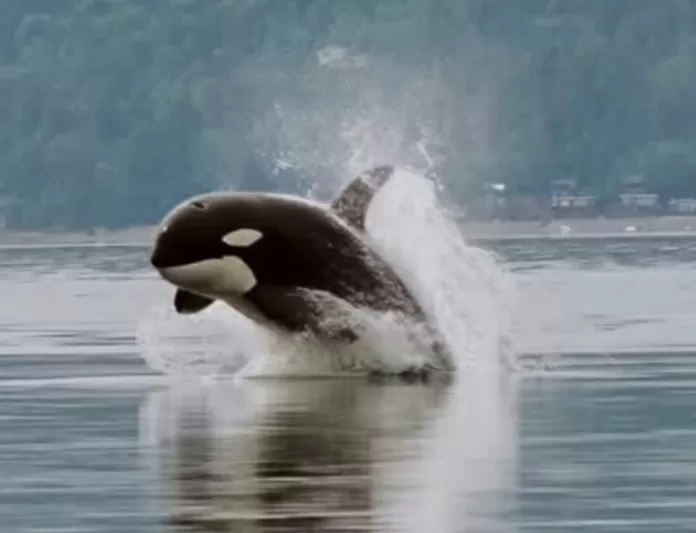
Keiko, the Orca Who Inspired the World
Keiko, der Orca, der im Film Free Willy die Hauptrolle spielte, wurde 2002 nach 23 Jahren in Gefangenschaft freigelassen.
For many people around the world, Keiko was not just another marine animal. He was the face of one of the most emotional animal films of the 1990s. As the star of the movie Free Willy, he symbolized the deep bond between humans and wildlife and sparked a global conversation about captivity.
Yet behind the cinematic magic was a very real animal with a very real story.
Keiko had spent 23 years in captivity. Born in the wild near Iceland, he was captured at a young age and sold into the entertainment industry. Over the years, he lived in several marine parks, including facilities in Iceland, Canada, and Mexico. When he was cast in Free Willy, he was already far from the ocean he once knew.
The film’s success created something unexpected: a worldwide campaign to set Keiko free.
The Long Road to Freedom
After the movie’s release, public awareness about Keiko’s living conditions grew rapidly. Many people were shocked to learn that the whale who portrayed freedom on screen was still confined to a tank in real life. Activists, scientists, and supporters began raising funds to rehabilitate him.
A massive international effort followed. Keiko was moved from Mexico to Oregon for medical treatment and conditioning in a specially designed facility. Later, he was transported to Iceland, closer to his original habitat, where a sea pen was built to help him gradually readjust to ocean life.
Rehabilitation was not simple. After more than two decades under human care, Keiko had grown accustomed to being fed and interacting with people. Teaching him to hunt and survive independently was a complex challenge.
In 2002, after years of preparation, he was finally released into the open ocean.
An Unexpected Turn in Norway
Wenige Wochen später schwamm er in einen norwegischen Fjord – und ließ dort Kinder auf seinem Rücken reiten.
Instead of fully integrating with wild orca pods, Keiko surprised researchers and supporters. Rather than staying in Icelandic waters or joining other whales, he traveled to Norway. There, he entered a fjord and began interacting with local communities.
What made headlines around the world was his unusual behavior. Keiko approached boats and people. He allowed children to swim near him and, astonishingly, even let some climb onto his back.
For locals, it was surreal. A massive orca, once the star of an international film, now swimming peacefully in a Norwegian fjord and interacting gently with families. The images were powerful, almost dreamlike.
But his behavior also raised important questions.
Between Wild and Human Worlds
Keiko’s journey revealed something both inspiring and complicated. While he had regained access to the ocean, he never fully rejoined a wild pod. Years of captivity had shaped him in ways that could not simply be reversed.
Marine biologists observed that he often sought out human contact rather than other orcas. This demonstrated the profound impact long term captivity can have on highly intelligent, social animals. Orcas are known for their tight family structures and learned hunting techniques passed down through generations. Being isolated from such a social network for decades can make reintegration extremely difficult.
In Norway, efforts were made to limit public interaction for safety reasons. Authorities and experts understood that while Keiko appeared gentle, he remained a powerful wild animal. At the same time, his friendly behavior reflected how deeply accustomed he was to people.
A Legacy Beyond the Film
Keiko’s story did not end with triumphant independence in the wild, nor did it end as a tragedy. It exists somewhere in between.
He experienced freedom in a way that many captive animals never do. He swam across vast stretches of ocean. He explored natural waters. He made choices outside of concrete walls.
At the same time, his difficulty in fully adapting reminded the world that captivity leaves lasting marks. Releasing an animal after decades in human care is not simply a matter of opening a gate. It requires immense planning, scientific support, and realistic expectations.
Keiko passed away in 2003 in Norway, reportedly from pneumonia. By then, however, he had already changed public perception about marine mammals in captivity.
His story influenced debates about orca confinement, marine parks, and animal welfare. For many, he remains a symbol of compassion and second chances. For others, he stands as a cautionary example of how complex rewilding truly is.
Why Keiko Still Matters
Today, years after his death, Keiko continues to be referenced in discussions about ethical treatment of marine life. His life forces us to consider difficult questions: Can animals raised in captivity ever fully return to the wild? What responsibilities do humans have once we remove an animal from its natural environment?
Keiko’s journey from Hollywood star to a Norwegian fjord is more than a headline. It is a deeply human story about hope, redemption, and the limits of intervention.
He was once the whale who jumped over a breakwater on screen. In real life, he crossed oceans, touched thousands of lives, and left behind a legacy that still shapes conversations today.
And perhaps that is the most powerful part of all.